AI in Australia's interests
Artificial intelligence (AI) is transforming the way Australians work, learn, create and innovate. It brings new opportunities for economic growth, productivity, scientific discovery and better services. We want to embrace the opportunities of AI but make sure it is used safely and responsibly.
To achieve this, the Australian Government is developing Australia’s AI standards. The standards will be a national framework for the development of AI models and the infrastructure that enables it.
To support this work, the government undertook a public consultation to inform the development of the standards. The consultation, Getting it right: Building AI infrastructure that works for Australia, sought views on how Australia can support AI investment, strengthen national capability and maximise community and economic benefits.
Consultation findings will be considered alongside ongoing engagement, technical evidence and cross-government policy development to inform the design of Australia's AI standards. The Office of AI will continue working with departments, jurisdictions and stakeholders to refine the standards and support a framework that is effective, practical and aligned with the Australian Government's AI objectives.
Back to topProcess for developing Australia’s AI standards

Consultation
- Public consultation conducted
- Feedback received from 1,533 stakeholders
Evidence base
- Consultation findings
- Technical analysis
- Targeted consultation
Standards development
Development of proposed requirements and implementation options.
Government consideration
Cross-government policy development.
Introduction of standards
Australia's AI standards to be released.
Who we heard from
The consultation received a total of 1,533 submissions. The largest share of submissions came from:
- Individuals (73%)
- Business and industry representatives (12%)
- Organisations and institutions (8%)*
*includes community groups, not-for-profits, research and education institutions. - Al and technology representatives (6%)
Of submissions with an identified location, the largest shares came from:
- New South Wales (225)
- Victoria (194)
- Queensland (120)
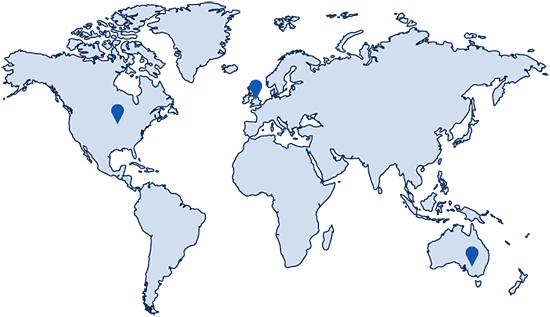
International submissions accounted for approximately 2% of identified submissions, predominantly from the United States and United Kingdom.
What we heard
Common insights across submissions

Standards and safeguards
Stakeholders support nationally consistent standards and generally favour government action in this area

Public trust
Public trust is viewed as essential to successful AI development and deployment.

Environmental impact
Environmental sustainability, particularly energy and water impacts.

Transparency and accountability
Transparency, accountability and enforcement of standards are viewed as equally as important to the standards themselves.

Tangible benefits
Stakeholders expect AI development to deliver tangible benefits for Australians while appropriately managing risks.
Support for nationally consistent AI standards
Stakeholders recognised the significant economic, productivity and innovation opportunities associated with AI, while emphasising that future AI development should occur within a framework that protects communities, the environment and the public interest.
- Most stakeholders supported a national framework and saw government action as necessary for clarity, consistency and public confidence.
- Industry stakeholders emphasised the importance of clear, predictable, technology-neutral requirements that support investment and maintain international competitiveness.
- Community and environmental groups, and individuals argued for strong safeguards to manage environmental, social and safety risks.
Support for considered thresholds
Stakeholders consistently indicated that standards should be applied based on impact of infrastructure and AI activities, rather than a single threshold measure.
Common factors for consideration included:
- electricity demand and consumption
- water use
- compute capacity
- physical facility scale
- environmental impacts
- community impacts
- cumulative impacts across facilities and projects.
Many submissions also raised concerns that narrow thresholds could see project fragmentation and allow significant developments to avoid coverage.
Expectations of transparency, accountability and benefits
Stakeholders held strong expectations for standards supported by:
- public reporting and disclosure
- independent assurance and oversight
- clear compliance and enforcement mechanisms
- ongoing review and improvement processes.
Communities consistently highlighted the importance of:
- Early engagement before decisions are made
- Ongoing consultation while the facility is operational
- Clear information about impacts and benefits
- Tangible local benefits from AI infrastructure investments
Energy, water and local impacts emerged as the most significant issues raised regarding large-scale AI infrastructure and data centre development. There was broad support for infrastructure growth where it is environmentally sustainable, uplifts Australian capability and delivers benefits for communities.
Location and community impacts
Stakeholders identified location as a key determinant of environmental, social and infrastructure impacts. Feedback placed importance on:
- aligning infrastructure development with local energy and water availability
- understanding regional environmental conditions
- engaging communities early and local participation
- considering cumulative impacts where multiple facilities are within a region
- ensuring communities early share in the benefits of infrastructure investment, including employment opportunities, workforce and skills development.
Energy
Energy impacts were one of the most frequently discussed issues across all stakeholders – addressed in 78% of all submissions. Common themes included:
- AI infrastructure should support Australia's energy transition
- new facilities should contribute to additional renewable energy capacity
- operators should support storage, firming and grid reliability
- growing AI-related electricity demand should not increase costs for households or existing businesses
- infrastructure should be located where energy systems can accommodate additional demand.
While stakeholders broadly agreed on these objectives, views differed regarding whether requirements should be mandatory or outcome-based.
Skills and training
Stakeholders identified opportunities for data centre operators to strengthen Australia's workforce by:
- expanding Australian skills and capability
- creating opportunities for under-represented groups
- partnering with TAFE, universities and other training providers.
Industry stakeholders favoured flexible outcome plans, while non-industry groups often argued for enforceable targets, public reporting and commitments for operators to fund training capacity.
Water
Water management emerged as a critical concern (addressed in 77% of all submissions), particularly for regional communities and environmental stakeholders. Common themes included:
- transparent reporting of water use
- use of recycled, stormwater and non-potable water sources
- limited reliance on drinking water supplies
- consideration of local water conditions and environmental pressures
- cumulative impacts in water-stressed regions
Industry stakeholders generally supported water reporting obligations while emphasising flexibility to adopt emerging cooling technologies and innovative approaches.
Stakeholders strongly support requirements that promote safe and secure AI development, while ensuring Australia develops the skills, research capability and governance settings needed to realise the benefits of AI. Views on copyright and training data remain areas that diverge most significantly.
Skills, training and capability
Stakeholders highlighted the need for AI development to contribute to Australia's long-term capability and workforce development. Priorities included:
- skills and workforce development
- research capability, education opportunities and support for public interest research
- greater access to computing resources
- building sovereign capability and technical expertise
- ensuring Australians share in the benefits created by AI investment.
Universities and research organisations frequently noted that access to advanced compute remains a national constraint and argued that investment should help grow Australia's research and innovation ecosystem.
AI safety and security
There was strong support for mandatory safety and security requirements applying to advanced AI development activities.
Common proposals included:
- risk management frameworks
- cybersecurity requirements
- security requirements for advanced AI systems
- incident reporting obligations
- independent testing and evaluation
- human oversight and accountability mechanisms.
Many submissions urged standards should remain adaptable to respond to future technology developments.
Copyright and AI training data
Copyright generated the most diverse and contested feedback (addressed in 64% of submissions).
Creative sector stakeholders commonly argued that:
- creators should have visibility over how their works are used
- consent mechanisms are necessary
- rights holders should be appropriately remunerated for material used in training.
Technology companies and businesses commonly emphasised:
- the importance of regulatory certainty
- practical and scalable compliance arrangements
- maintaining international competitiveness
- avoiding requirements that unnecessarily discourage innovation.