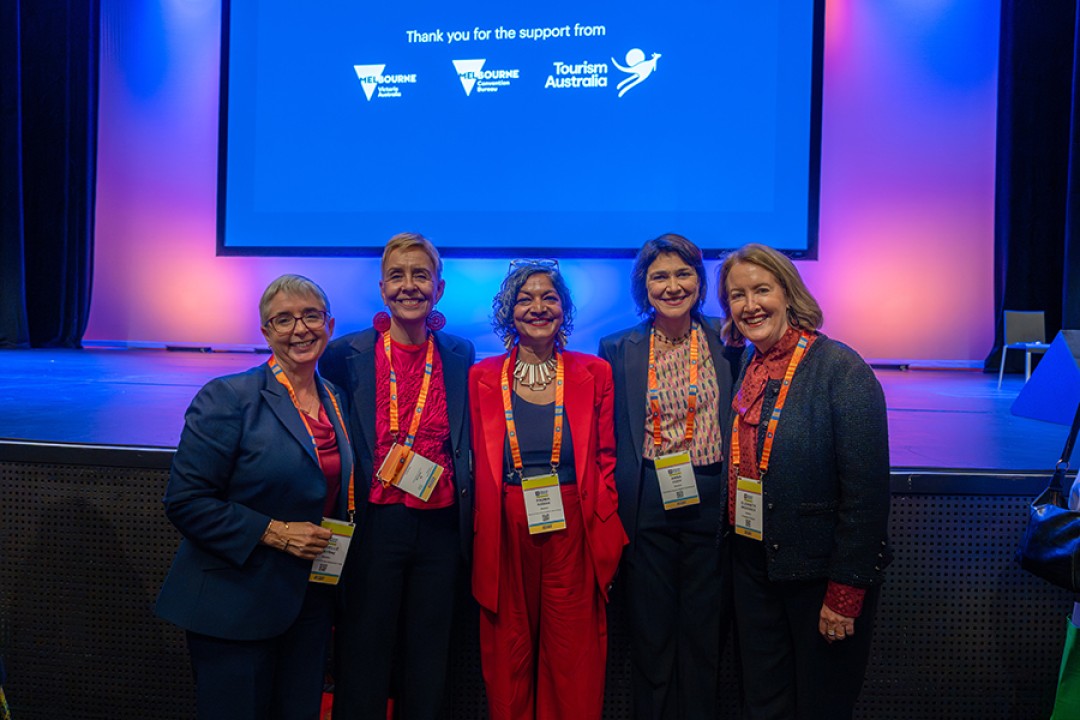
Around 6,000 delegates from around the world gathered in Melbourne as Australia participated in Women Deliver 2026, a global conference driving action on gender equality.
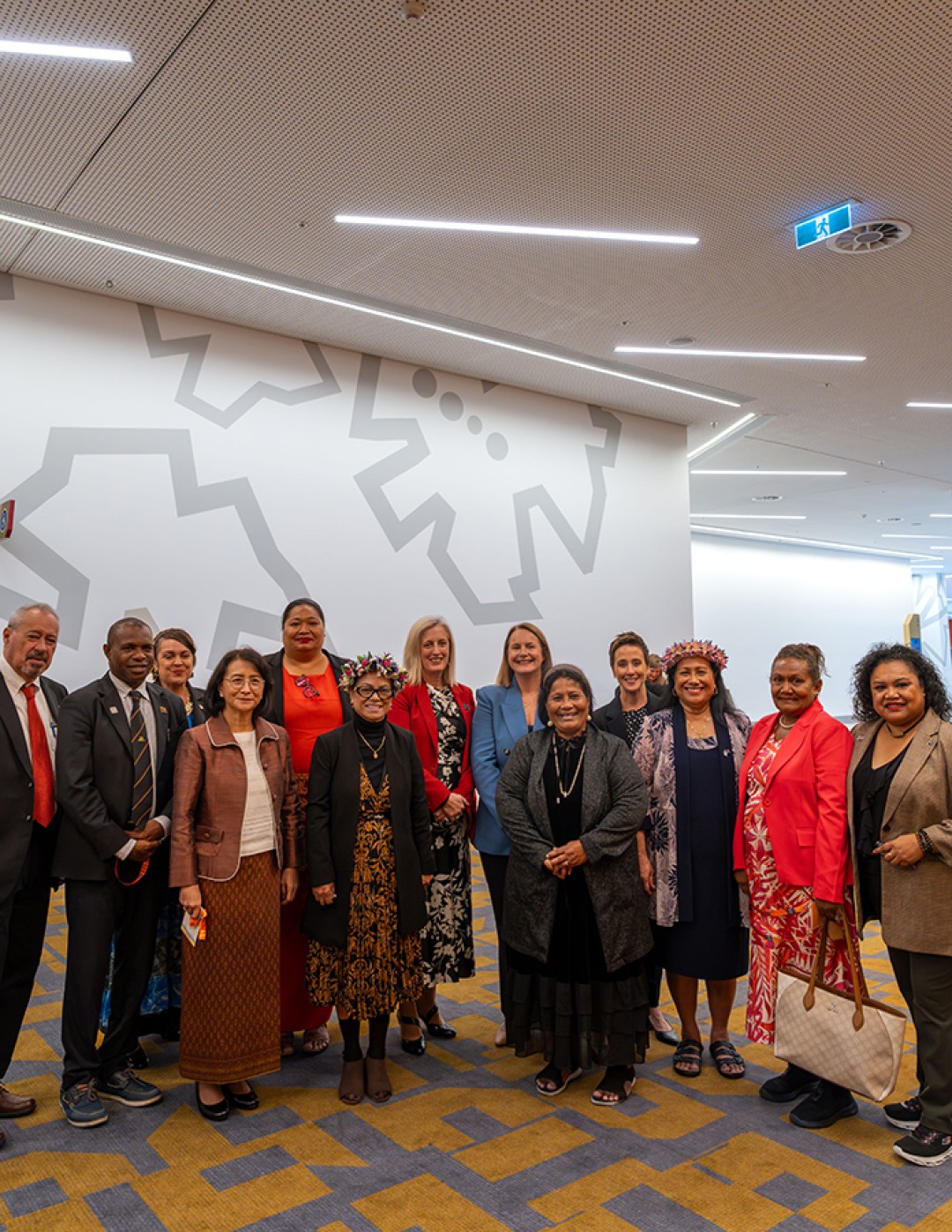
Held from 27 to 30 April 2026 under the theme ‘Change brings us here’, the conference brought together participants from 189 countries, with 44% of attendees from the Oceanic Pacific region. Australia was proud to support representation from across the region, helping ensure Pacific voices and perspectives were visible and influential throughout the program.
Over 4 days, Women Deliver 2026 featured hundreds of plenaries, sessions and side events exploring issues including sexual and reproductive health and rights, family and domestic violence, technology and artificial intelligence, multilateral cooperation, climate justice and leadership. Together, these conversations highlighted both the diversity of global challenges and a shared commitment to advancing gender equality through inclusive, intersectional approaches.
Gender equality is a priority across all areas of Australian Government policy, as set out in Working for Women – a Strategy for Gender Equality. Australia’s participation in Women Deliver 2026 reflected this whole‑of‑government commitment, alongside our strong focus on advancing gender equality across the Indo‑Pacific. Australia works with regional and international partners to translate commitments into action, including through frameworks such as the ASEAN Regional Plan of Action on the Elimination of Violence Against Women, the ASEAN Regional Plan of Action on Women, Peace and Security, the Revitalised Pacific Leaders Gender Equality Declaration, and the Pacific Platform for Action on Gender Equality and Women’s Human Rights 2018–2030.
This engagement is supported by sustained investment and partnership, including initiatives such as Accelerating Investment in Women’s Rights, which provides grants to women’s rights and human rights organisations in more than 25 countries across the region, and support for organisations including the United Nations Population Fund and the International Planned Parenthood Federation to improve access to essential reproductive health products and services. This approach reflects a clear understanding that progress on gender equality across our region supports Australia’s own security and prosperity, and that lasting change depends on local leadership and strong civil society.
The conference was opened by the Governor General of Australia, Her Excellency Sam Mostyn AC, who said:
“The most important thing for a generation of young women and men across the globe is to know there should be no barriers whatsoever, gender or otherwise, to the very best people assuming leadership in our society.”
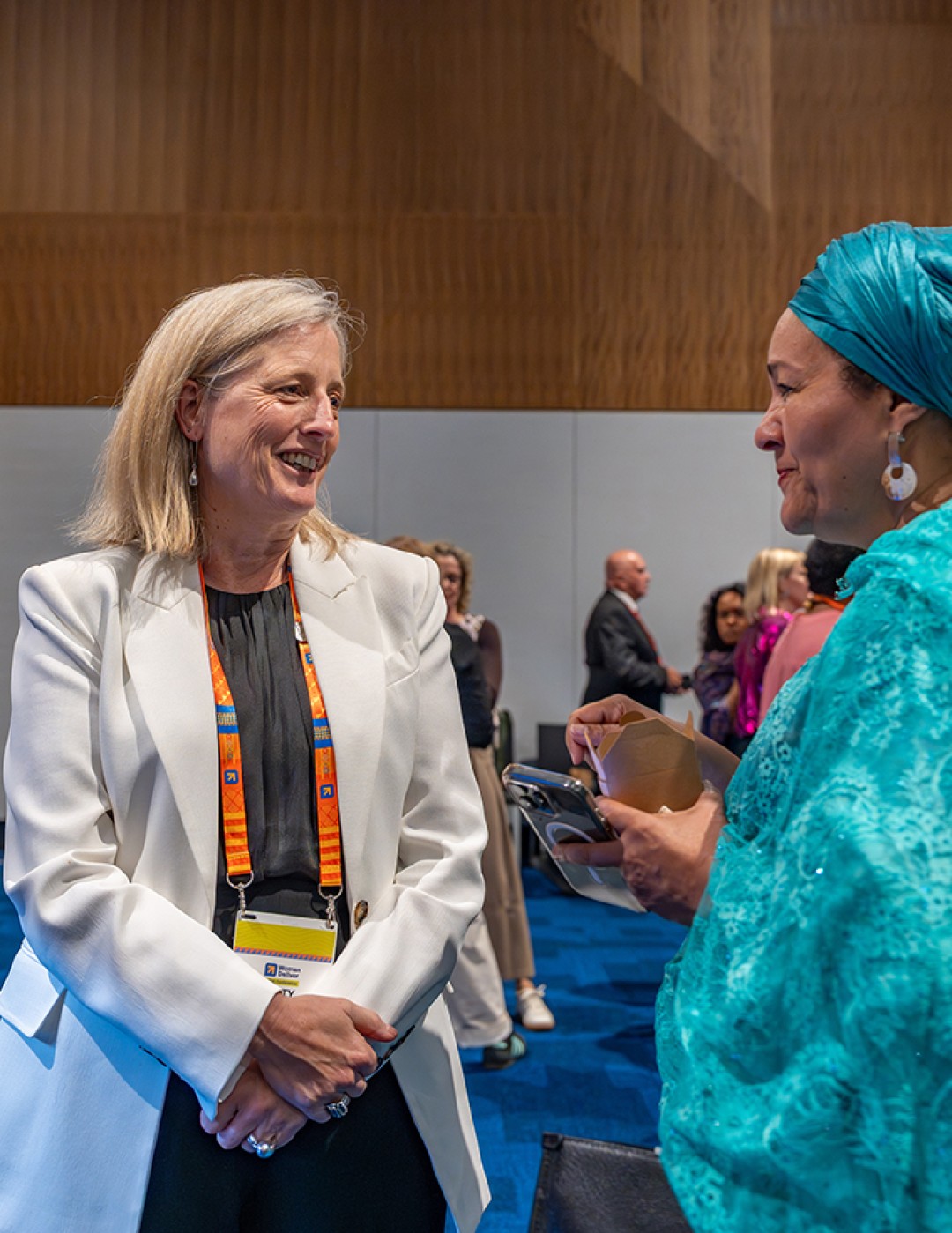
The Hon Senator Katy Gallagher, Minister for Finance, Minister for Women, Minister for the Public Service and Minister for Government Services, spoke at a plenary on Day 2 of the conference, highlighting the importance of governments working with communities and civil society to deliver meaningful reform.
“Politics has taught me to use the power of politics, but informed by community, to shape change and prove to women that their governments hear them and can respond to them.”
The Minister’s full Women Deliver conference speech is available here: Women Deliver Conference | Ministers' media centre
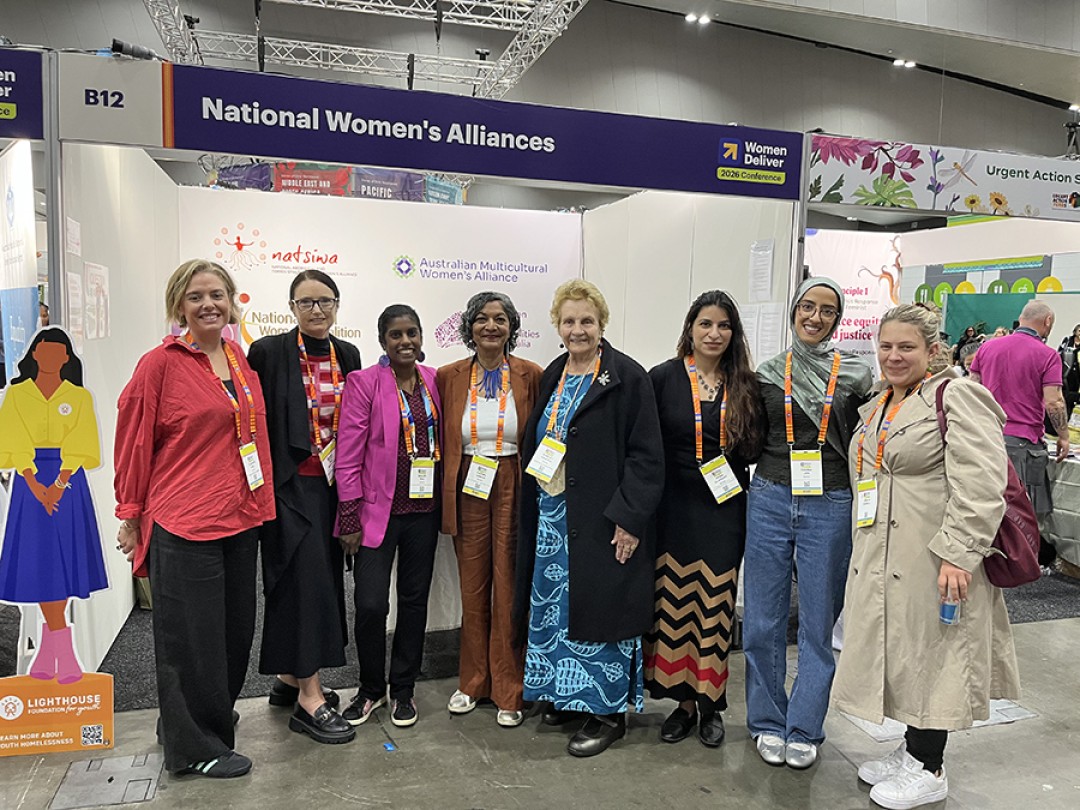
A key feature of Australia’s engagement at Women Deliver was the participation of the National Women’s Alliances, supported by the Office for Women. Their involvement demonstrated Australia’s commitment to partnering with civil society and embedding lived experience into policy development.
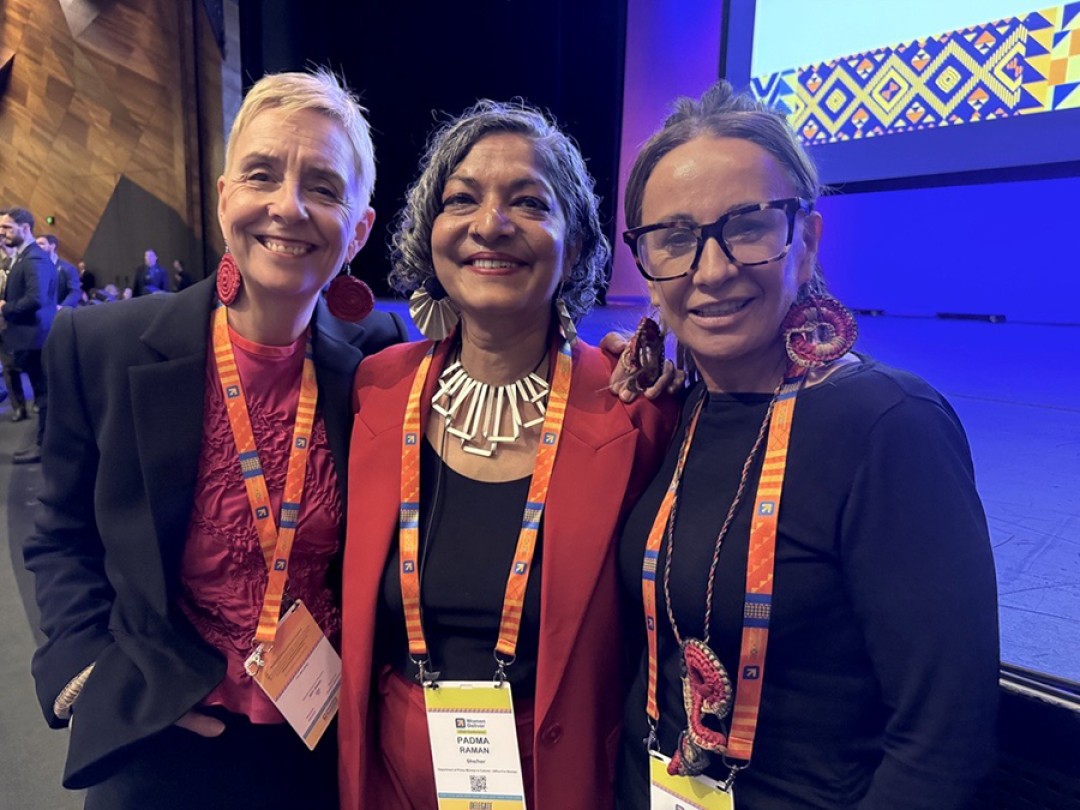
Visiting the Alliance’s Booth in the conference exhibition space, Padma Raman PSM, Executive Director of the Office for Women, noted:
“Showcasing the National Women’s Alliances at a global conference is a valuable way for Australia to share an example of good practice in how governments can systematically support and engage civil society to inform policy‑making.”
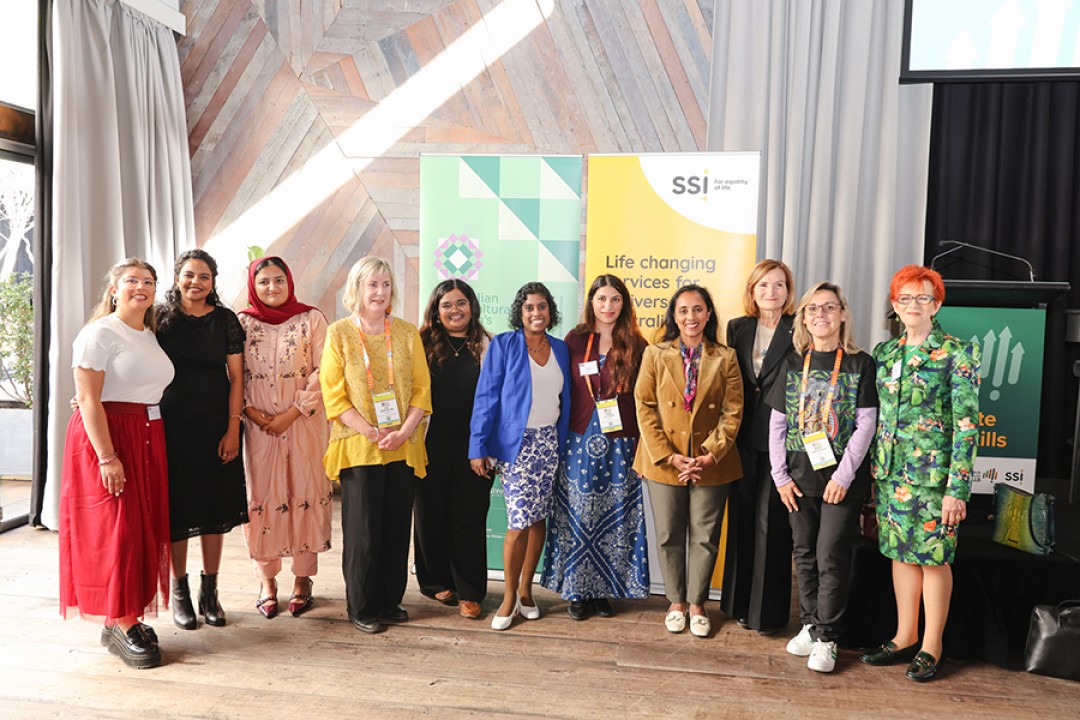
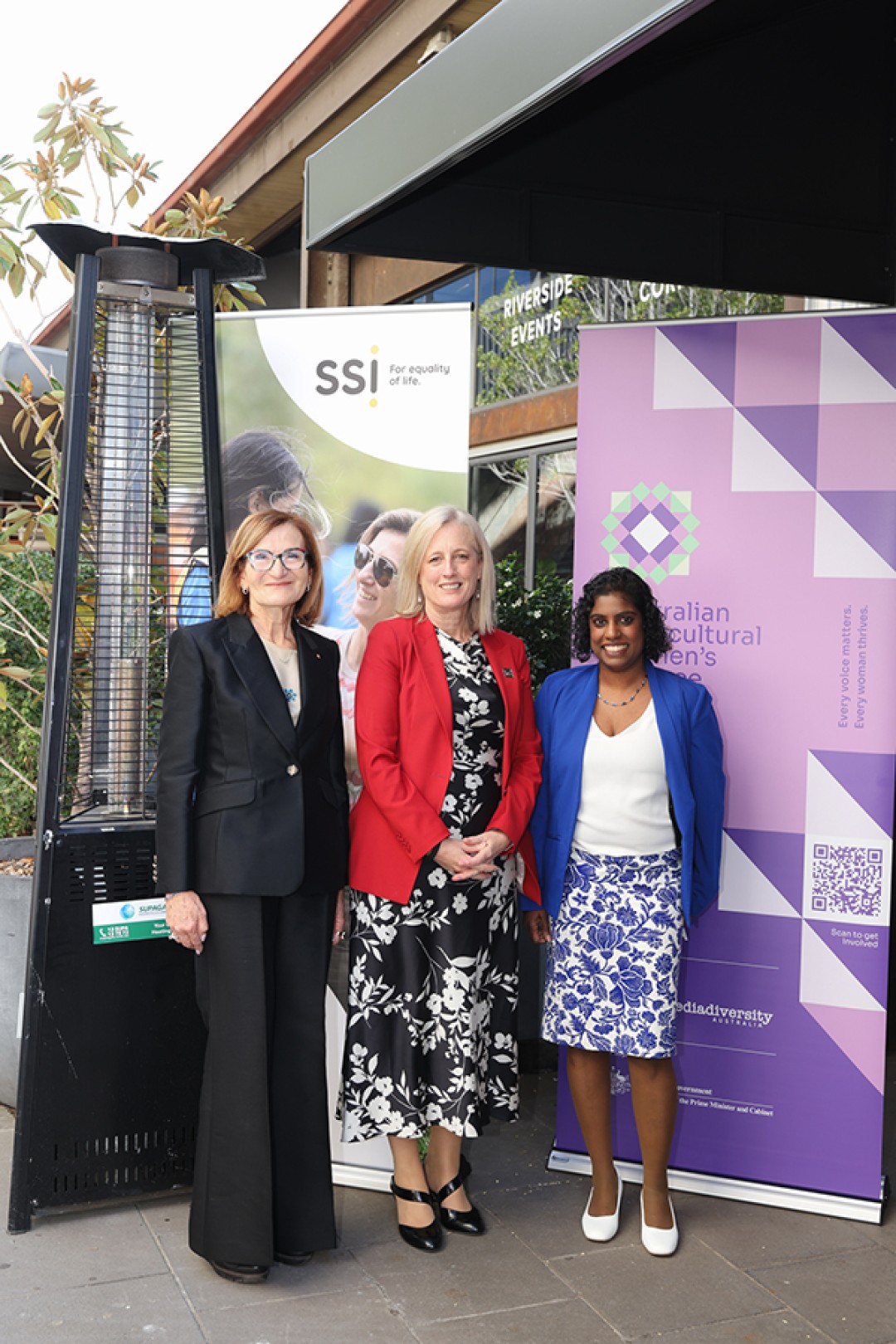
During the conference, one of the National Women’s Alliances, the Australian Multicultural Women’s Alliance released a new report in partnership with Settlement Services International, Activate Her Skills: Harnessing the economic potential of migrant women through better skills recognition, highlighting practical policy actions to improve workforce participation and economic equality.
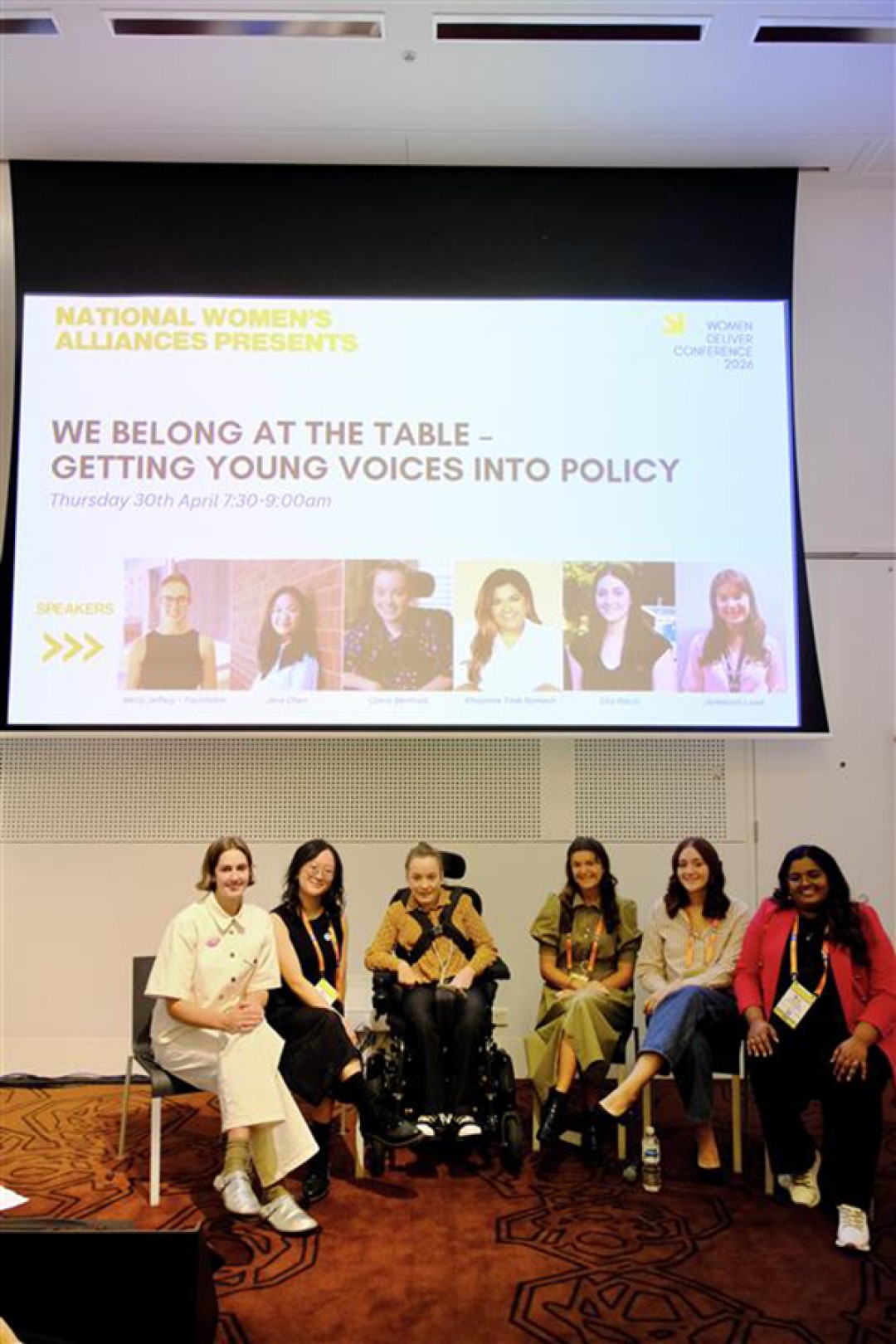
The Alliances also hosted 2 events as part of Women Deliver 2026, Diverse Communities Driving Change – This is What Leadership Looks Like and We Belong at the Table – Getting Young Voices into Policy.
The first event explored how women from diverse cultural, regional and lived‑experience backgrounds are leading change within their communities and institutions. The discussion highlighted the value of recognising different models of leadership and ensuring policy frameworks reflect the lived experience of diverse women.
The second event saw young women representing the 5 National Women’s Alliances speak about the importance of having a seat at the table and informing policy. Panellists discussed the need to treat the needs of people with disability as essential, address risks in online spaces, engage men and boys as allies, and apply an intersectional lens to leadership and policy design.
Funded by the Australian Government as part of Working for Women – a Strategy for Gender Equality, the National Women’s Alliances play a central role in bringing the voices of Australian women into policy development. Their engagement at Women Deliver 2026 highlighted the value of sustained partnership between government and civil society in advancing gender equality.